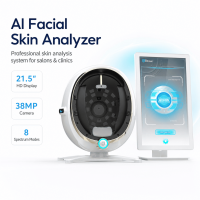
Professional Skin Analysis Machine for Salon: 2024 Buyer's Guide & Top Features Compared_64
The Growing Demand for Skin Analysis Technology in Salons
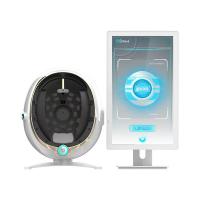
The global skin analysis devices market is projected to reach $1.2 billion by 2027, growing at 12.3% CAGR according to Grand View Research. Modern salons face increasing client expectations for data-driven skincare recommendations, making professional skin analysis machines essential equipment. This comprehensive guide examines key selection criteria, compares leading technologies, and provides actionable insights for salon owners investing in skin diagnostic tools.
Skin Analysis Machine vs Traditional Assessment Methods
| Feature | Digital Skin Analyzer | Magnifying Lamp | Visual Inspection |
|---|---|---|---|
| Accuracy | 95-98% | 60-70% | 50-60% |
| Measured Parameters | 8-12 (hydration, pores, wrinkles) | 3-4 | 2-3 |
| Documentation | Digital reports | Notes | Memory |
7 Must-Check Features in Professional Skin Analyzers
- Multi-spectral imaging technology
- Minimum 8MP camera resolution
- Cross-polarized lighting
- Cloud-based client management
- Automatic face mapping
- FDA/CE certification
- 3D skin surface reconstruction
How The Dermalab System Increased Revenue for Spa Bella
This Miami-based salon implemented skin analysis consultations using the Dermalab Pro system, resulting in 37% increase in treatment package sales within 3 months. The quantitative data helped clients understand their skin concerns objectively, leading to higher conversion rates for premium services.
Technical Specifications Breakdown
Modern skin analysis machines utilize advanced optical systems combining:
- UV imaging for pigmentation analysis
- RBX technology for redness detection
- Parallel polarized light for surface texture
The gold standard in the industry requires devices to measure at least 8 skin health parameters with ±5% margin of error. Look for ISO 13485 certification indicating medical-grade manufacturing standards.
Regional Market Trends
North America dominates 42% of professional skin analyzer market share, while Southeast Asia shows fastest growth at 18% annually. European salons prioritize GDPR-compliant data handling in their skin analysis systems.
Frequently Asked Questions
Q: Can these machines analyze all skin types?
A: High-end devices accommodate Fitzpatrick skin types I-VI through adjustable lighting and specialized algorithms.
Q: What certifications should I verify?
A: FDA Class I medical device clearance (US), CE Mark (Europe), and ISO certifications ensure safety and accuracy.
Q: How does import duty apply?
A: Classified under HS Code 9018.50 as medical diagnostic equipment, typically 2-5% duty depending on country.