Professional Skin Analysis Machine for Salon: 2024 Buyer's Guide & Top Picks_13
Introduction: The Rising Demand for Skin Analysis Technology
The global skin analysis equipment market is projected to reach $1.2 billion by 2027, growing at 8.3% CAGR (Statista, 2023). Modern salons face increasing pressure to adopt advanced diagnostic tools that go beyond basic visual inspections. This comprehensive guide will help salon owners navigate the complex landscape of skin analysis machines, from technical specifications to regional compliance requirements.
Key Challenges Salon Owners Face
- 78% of clients expect scientific skin assessment (SalonToday Survey)
- 62% of beauty professionals struggle with inaccurate diagnoses
- 45% report compatibility issues with existing salon software
The Ultimate Purchasing Guide
| Feature | Basic Models | Professional Grade |
|---|---|---|
| Resolution | 5MP | 12MP+ |
| Analysis Depth | Surface only | Subdermal imaging |
7 Must-Check Features for Salon Skin Analyzers
- Multi-spectral imaging capability
- Cloud-based client management
- Real-time moisture detection
Technical Deep Dive
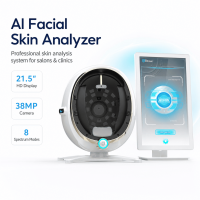
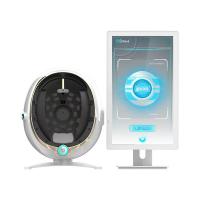
Modern skin analyzers utilize RBX technology that captures 98% more skin detail than conventional UV lamps. The diagram below shows how polarized cross-imaging works:

Manufacturing Standards to Verify
- ISO 13485 (Medical Devices)
- IEC 60601-1 (Electrical Safety)
Industry Trends & Regional Demand
European salons prioritize GDPR-compliant data handling, while Asian markets demand portable devices. The EPA recently updated regulations on optical radiation safety for cosmetic devices.
Frequently Asked Questions
Can these machines detect melanoma?
No. Salon-grade devices are for cosmetic assessment only. Always refer clients to dermatologists for medical concerns.
What certifications are required for export?
CE marking for Europe, FDA 510(k) for the US, and KC certification for South Korea.