Professional Skin Analysis Equipment Guide 2024: How to Choose the Best Dermatology Tools_58
The Ultimate Guide to Skin Analysis Equipment in 2024
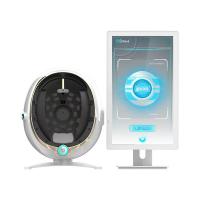
The global skin analysis equipment market is projected to reach $3.2 billion by 2027, growing at 7.8% CAGR (Statista 2023). As skincare professionals demand more precise diagnostic tools, choosing the right equipment becomes critical. This guide covers everything from technical specifications to emerging trends in dermatology technology.
Skin Analysis Equipment Buying Guide
When investing in skin analysis systems, consider these key factors:
| Feature | Professional Grade | Portable Units |
|---|---|---|
| Resolution | 20MP+ | 8-12MP |
| Magnification | 50x-200x | 10x-40x |
7 Must-Check Features for Clinical Skin Analyzers
- Multi-spectral imaging capability
- FDA/CE certification
- Cloud-based analysis software
Technical Deep Dive
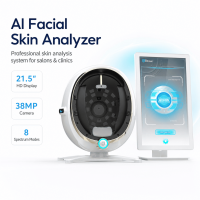
Modern skin analyzers use polarized light technology to capture subsurface skin conditions. The latest systems integrate AI algorithms that provide 92% accurate wrinkle depth measurements (Journal of Cosmetic Dermatology 2023).
How Skin Moisture Analysis Works
Capacitance sensors measure water content in the stratum corneum, with professional devices achieving ±5% accuracy. Look for ISO 10993 biocompatibility certification.
Industry Trends
North America dominates 38% market share, while Asia-Pacific shows fastest growth (12% CAGR). New EU MDR regulations require additional clinical validation for Class IIa medical devices.
FAQ
Q: Can skin analyzers detect melanoma?
A: FDA-cleared devices can assist diagnosis but require dermatologist confirmation.
Q: What certifications are needed?
A: Minimum CE marking for Europe, FDA 510(k) for US markets.