Portable Light Therapy for Hands and Feet: 2024 Buyer's Guide & Pain Relief Solutions_82
The Complete Guide to Portable Light Therapy for Hands and Feet (2024 Edition)
According to recent market research, the global phototherapy equipment market is projected to reach $1.2 billion by 2027, with portable devices accounting for 38% of total sales. As more people seek non-invasive solutions for chronic pain and skin conditions, portable light therapy for hands and feet has emerged as a breakthrough treatment option. This comprehensive guide will walk you through everything from technical specifications to regional compliance standards, helping you make informed purchasing decisions.
1. Why Choose Portable Light Therapy Devices?
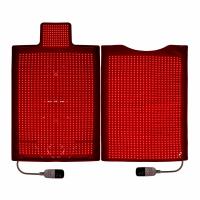
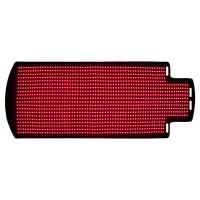
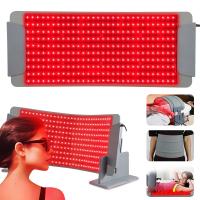
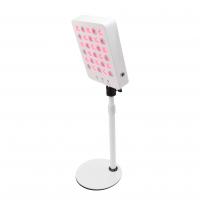
Modern portable light therapy devices offer clinical-grade treatment in compact, user-friendly designs. Unlike traditional phototherapy equipment found in medical facilities, these handheld units provide targeted relief for specific conditions:
- Arthritis and joint pain relief
- Neuropathy symptom management
- Psoriasis and eczema treatment
- Improved circulation in extremities
- Wound healing acceleration
2. Key Features Comparison: What to Look For
| Feature | Basic Models | Premium Models |
|---|---|---|
| Wavelength Range | 630-660nm (red light) | 630-850nm (full spectrum) |
| Treatment Area | Single hand/foot | Dual simultaneous treatment |
| FDA Clearance | No | Class II Medical Device |
| Battery Life | 30-60 minutes | 120+ minutes |
7 Must-Check Features Before Buying
- Medical-grade LED diodes (preferably FDA-cleared)
- Adjustable intensity settings (minimum 3 levels)
- Multiple wavelength options (red/blue/NIR)
- Ergonomic design for comfortable handling
- Auto-shutoff safety feature
- Rechargeable lithium-ion battery
- Manufacturer's clinical trial data
3. Technical Specifications Explained
The effectiveness of light therapy depends on precise engineering parameters. Here's what matters most:
Wavelength: Measured in nanometers (nm), different wavelengths penetrate tissue at varying depths. For hand and foot applications:
- 630-660nm (red light): Surface-level benefits
- 810-850nm (near-infrared): Deep tissue penetration
Power Density: Expressed in mW/cm², this determines treatment intensity. Clinical-grade devices typically range between 50-200mW/cm².
4. Regional Market Trends
North America currently leads in portable light therapy adoption, with Europe showing rapid growth in home-use medical devices. Key regional differences include:
- US: Requires FDA 510(k) clearance for medical claims
- EU: Must comply with Medical Device Regulation (MDR) 2017/745
- Asia: Growing demand for compact wellness devices
5. Frequently Asked Questions
Q: How often should I use portable light therapy on my hands?
A: Most manufacturers recommend 10-15 minute sessions 3-5 times weekly for chronic conditions.
Q: Are there any side effects?
A: When used properly, light therapy has minimal side effects. Some users report temporary warmth or slight redness.
Q: Can I travel with my light therapy device?
A: Most portable units are TSA-compliant, but check lithium battery restrictions for air travel.