Medical Cavitation Machine: The Ultimate Guide for Safe & Effective Fat Reduction_61
Medical Cavitation Machine: The Ultimate Guide for Safe & Effective Fat Reduction
The global demand for non-invasive body contouring solutions has surged by 28% since 2020 (Grand View Research). Medical cavitation machines have become essential equipment for aesthetic clinics seeking to expand service offerings without surgical risks. However, international buyers face challenges in identifying OEM manufacturers that meet both clinical efficacy standards and export compliance requirements.
What is a Medical Cavitation Machine?
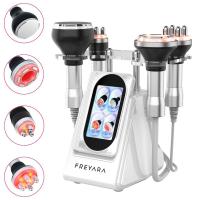
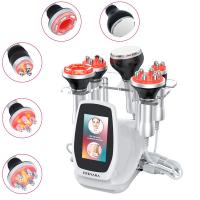
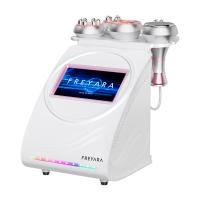
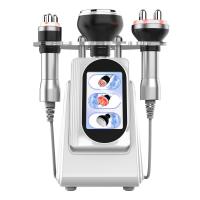
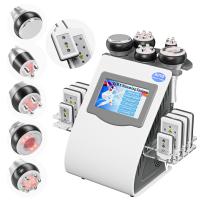
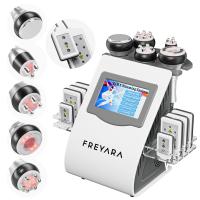
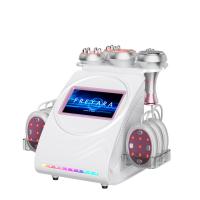
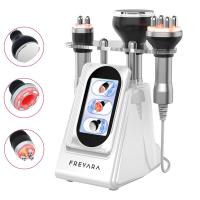
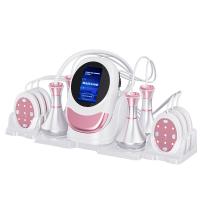
Medical cavitation machines utilize low-frequency ultrasonic waves (typically 40kHz) to disrupt fat cell membranes through a process called acoustic cavitation. Unlike consumer-grade devices, medical models feature:
- Adjustable frequency settings (30-50kHz range)
- FDA-cleared intensity levels (under 3W/cm²)
- Real-time temperature monitoring
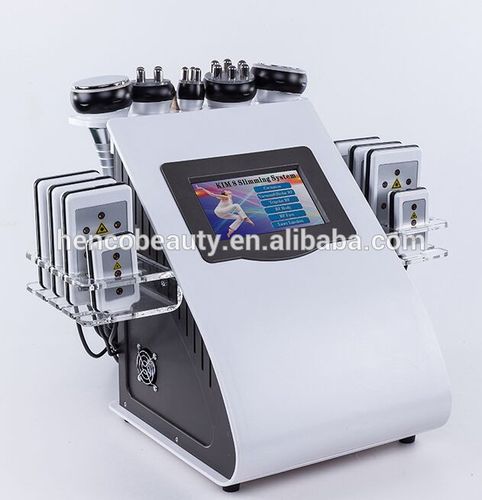
Technical Comparison: Cavitation vs Alternative Technologies
| Technology | Fat Reduction | Downtime | Sessions Needed |
|---|---|---|---|
| Ultrasonic Cavitation | 2-4cm loss | None | 6-8 |
| Cryolipolysis | 1-3cm loss | Redness | 3-4 |
| RF Treatment | 1-2cm loss | Swelling | 10-12 |
Key Advantages for Medical Facilities
- Cost Efficiency: 68% lower operational costs than laser systems
- Patient Throughput: 25-minute sessions enable 15+ treatments daily
- Safety Compliance: Meets IEC 60601-1 medical electrical equipment standards
Global Market Insights
The medical aesthetics equipment market will reach $7.9 billion by 2027 (CAGR 6.8%). Emerging markets show particular demand:
- Middle East: 34% annual growth in non-surgical procedures
- Southeast Asia: 41% increase in body contouring clinics since 2021
Certification Checklist
Verify these certifications when sourcing:
- CE Mark (Class IIa medical device)
- ISO 13485:2016
- FDA 510(k) clearance (for US exports)
- RoHS compliance
Supplier Evaluation Criteria
Use this checklist during factory audits:
- Minimum 5 years OEM experience
- In-house R&D team
- Third-party test reports
- 12-month warranty minimum
FAQ
What's the typical MOQ for medical cavitation machines?
Most manufacturers require 10-50 units for initial orders, with 5-unit increments thereafter.
Can I get customized handpieces for my clinic?
Reputable suppliers offer 3-5 standard handpiece sizes with optional branding.
How do you ensure shipment safety?
Medical-grade packaging with shock sensors and 100% pre-shipment testing is standard.
What payment terms are available?
30% deposit with 70% balance before shipment is most common. LC payments accepted.
Download our Medical Equipment Buyer's Guide for detailed specifications and negotiation strategies.