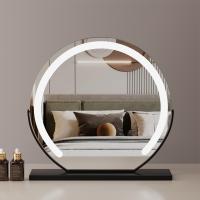
LED Vanity Mirror Ultimate Guide 2024: How to Choose the Best Makeup Mirror_51
The Rising Demand for LED Vanity Mirrors
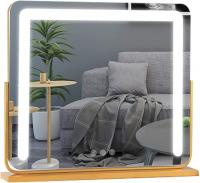
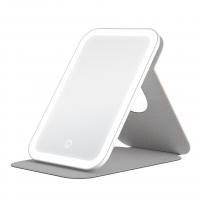
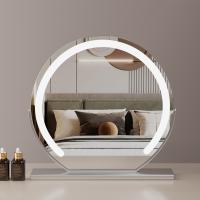
The global vanity mirror market is projected to reach $1.2 billion by 2027, with LED models driving 68% of growth according to Grand View Research. Modern consumers demand more than basic reflection - they seek professional-grade lighting, smart features, and salon-quality performance in their personal care routines.
Key Pain Points Addressed
- Inconsistent lighting causing makeup mismatches
- Limited visibility during detailed grooming
- Energy inefficiency in traditional bulbs
- Lack of customization options
Comprehensive Buying Guide
LED Vanity Mirror vs Traditional Alternatives
| Feature | LED Mirror | Standard Mirror |
|---|---|---|
| Light Temperature | Adjustable 3000K-6000K | Fixed 2700K |
| Energy Use | 5-8W | 40-60W |
7 Must-Check Features for Dimmable LED Mirrors
- CRI (Color Rendering Index) above 90
- IP44 waterproof rating for bathroom use
- Memory function for preferred settings
Technical Deep Dive
Premium LED vanity mirrors utilize SMD 2835 chips that provide 120 lumens per watt with minimal heat generation. The optimal lighting angle is 45 degrees from vertical, creating shadow-free illumination for precise makeup application.
Manufacturing Standards
- CE/RoHS certified electronics
- 5mm tempered glass minimum
- Aluminum alloy frames
Industry Trends
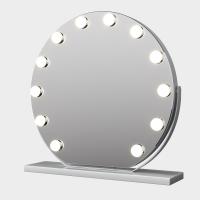
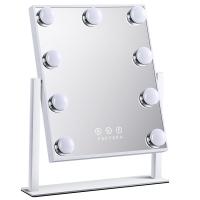
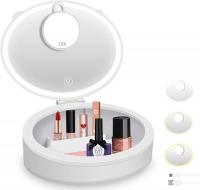
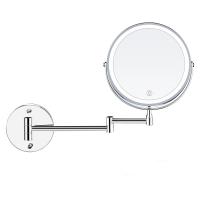
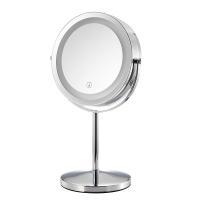
European markets show 42% preference for round mirrors, while North America favors rectangular designs. New California energy regulations will require all vanity mirrors to meet Title 20 efficiency standards by 2025.
FAQ Section
Can LED vanity mirrors be used in humid bathrooms?
Models with IP44 rating or higher are specifically designed for bathroom installation, protecting against steam and splashes.
What certifications should buyers verify?
Look for ETL/UL listing for electrical safety and FCC certification for any wireless features.