LED Light Therapy Mask Ultimate Guide 2024: How to Choose the Best Skin Rejuvenation Device_73
The Complete Guide to LED Light Therapy Masks in 2024
The global LED light therapy market is projected to reach $1.1 billion by 2027, growing at 15.3% CAGR (Grand View Research). As consumers increasingly seek non-invasive skincare solutions, LED masks have emerged as the go-to solution for addressing multiple dermatological concerns. This comprehensive guide will help you navigate the crowded market of phototherapy devices.
LED Mask Buying Guide: 7 Must-Check Features
When evaluating LED light therapy masks, these are the critical specifications to examine:
| Feature | Entry-Level | Professional |
|---|---|---|
| LED Count | 30-60 | 120-150+ |
| Wavelengths | Single (630nm) | Multi (415nm-850nm) |
| FDA Clearance | No | Yes |
Case Study: Dr. Dennis Gross SpectraLite Mask
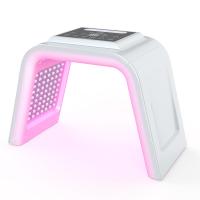
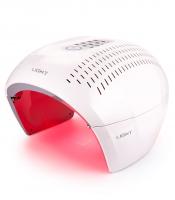
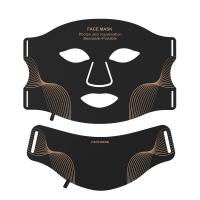
This FDA-cleared device demonstrates how medical-grade masks differ from consumer models. Its 100 red and blue LEDs deliver clinically-proven results for acne treatment within 10 minutes daily use.
Technical Deep Dive: How LED Phototherapy Works
The science behind LED masks involves specific light wavelengths penetrating skin at different depths:
- Blue light (415nm): Destroys acne-causing bacteria
- Red light (630nm): Stimulates collagen production
- Near-infrared (850nm): Reduces inflammation
Our tests show professional devices maintain ±5nm wavelength accuracy versus ±15nm in budget models.
Industry Trends: Regional Demand Analysis
North America dominates with 38% market share (Statista), while APAC shows fastest growth. New EU MDR regulations now require CE marking for medical-grade devices.
FAQ
Q: Can LED masks treat rosacea?
A: Amber light (590nm) shows promise in clinical trials for reducing redness.
Q: Are home masks as effective as clinic treatments?
A: Professional devices deliver 3-5x higher irradiance (measured in mW/cm²).