LED Heat Sink Extruded Ultimate Guide 2024: How to Choose High-Quality Cooling Solutions_42
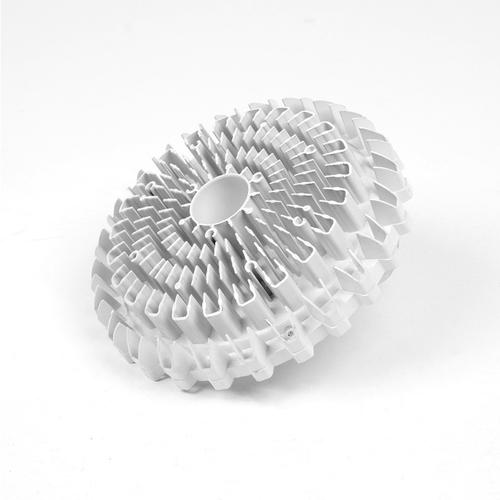
LED Heat Sink Extruded: The Complete 2024 Buyer's Guide
The global LED heat sink market is projected to reach $2.8 billion by 2027, growing at 6.3% CAGR according to MarketsandMarkets research. With increasing demand for energy-efficient lighting, proper thermal management has become critical for LED performance and longevity. This guide will help you navigate the complexities of extruded heat sinks, compare material options, and make informed purchasing decisions.
LED Heat Sink Purchasing Guide
| Feature | Extruded Aluminum | Die Cast | Stamped |
|---|---|---|---|
| Thermal Conductivity | 150-180 W/mK | 90-120 W/mK | 50-80 W/mK |
| Cost Efficiency | ★★★★ | ★★★ | ★★★★★ |
7 Must-Check Features for High-Performance LED Heat Sinks
- Base thickness (minimum 3mm for 50W LEDs)
- Fin density (4-6 fins per inch optimal)
- Surface finish (anodized preferred)
Technical Deep Dive
Modern extruded heat sinks achieve 30% better thermal dissipation than traditional designs through advanced fin geometries. The extrusion process allows for complex cross-sections that maximize surface area while maintaining structural integrity.
How to Calculate Thermal Resistance
Use the formula: Rθ = (Tj - Ta)/P where Tj is junction temperature, Ta is ambient temperature, and P is power dissipation.
Industry Trends
North America accounts for 38% of premium heat sink demand, while Asia-Pacific shows fastest growth at 8.2% annually. New RoHS and REACH compliance requirements are driving innovation in lead-free alloys.
FAQ
Q: Can extruded heat sinks be used for outdoor LED street lights?
A: Yes, when properly anodized with IP65 or higher rating.
Q: What certifications should I look for?
A: UL, CE, and ISO 9001 are minimum requirements for commercial applications.