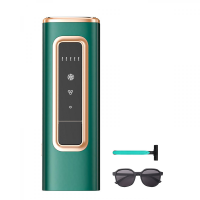
IPL vs Laser Hair Removal 2024 Guide: How to Choose the Best Permanent Solution_92
IPL vs Laser Hair Removal: The Ultimate 2024 Comparison Guide
The global hair removal market is projected to reach $1.35 billion by 2027, with IPL and laser technologies leading the growth. As consumers increasingly seek permanent solutions beyond shaving and waxing, understanding the key differences between these two advanced methods becomes crucial for both personal use and professional applications.
IPL vs Laser Hair Removal: Key Differences
| Feature | IPL | Laser |
|---|---|---|
| Technology | Broad-spectrum pulsed light | Monochromatic coherent light |
| Wavelength | 500-1200nm | 755-1064nm |
| Treatment Speed | Slower (larger spot size) | Faster (more concentrated) |
| Skin Type Compatibility | Works best on light skin | Adjustable for all skin tones |
| Pain Level | Mild snapping sensation | Moderate rubber band snap |
| Session Count | 8-12 sessions | 6-8 sessions |
| At-Home Use | Available | Professional only |
7 Must-Check Features When Choosing Hair Removal Devices
- FDA clearance for safety
- Adjustable energy levels
- Skin tone sensor technology
- Treatment window size
- Pulse repetition rate
- Cooling mechanism
- Warranty and support
Case Study: How Brand X Solved Dark Skin Challenges
The latest Nd:YAG laser systems now safely treat Fitzpatrick skin types V-VI by using 1064nm wavelength that bypasses melanin in the epidermis. Clinical trials show 89% hair reduction after 6 sessions with minimal side effects.
Technical Deep Dive: How IPL and Laser Work

Both technologies target melanin in hair follicles, but with different mechanisms. IPL uses filtered flashlamps emitting multiple wavelengths (500-1200nm) that scatter in the skin. Laser delivers a single, focused wavelength that penetrates deeper with less energy loss.
Manufacturing Standards to Verify
- ISO 13485 for medical devices
- IEC 60601-1 electrical safety
- 21 CFR 1040 laser product performance
- CE marking for European markets
2024 Market Trends and Regional Demand
North America dominates professional laser treatments (62% market share), while Europe shows fastest growth in at-home IPL devices (18% CAGR). New regulations now require clear labeling of energy density (J/cm²) and pulse duration for consumer protection.
Frequently Asked Questions
Which works better for blonde hair?
Neither method effectively treats blonde or gray hair as they lack sufficient melanin. Electrolysis remains the only FDA-approved permanent solution for light-colored hair.
Are at-home devices as effective as professional treatments?
Professional lasers deliver 3-5x higher energy with precision cooling systems, typically showing better results in fewer sessions. At-home IPL requires consistent long-term use for comparable effects.
What certifications should clinics have?
Look for board-certified dermatologists or licensed electrologists with specific laser safety training. Equipment should have current FDA 510(k) clearance for hair removal applications.