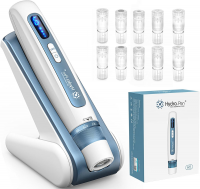
IPL Hair Removal Handset Ultimate Guide 2024: How to Choose the Best At-Home Device_100
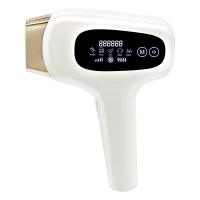
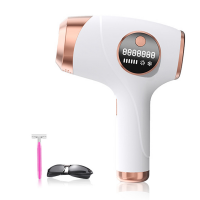
The Complete Guide to IPL Hair Removal Handsets: 2024 Edition
The global IPL hair removal market is projected to reach $1.2 billion by 2025, with at-home devices driving 65% of growth (Statista 2023). As consumers seek salon-quality results without expensive treatments, IPL handsets have become the go-to solution for permanent hair reduction. This guide will help you navigate the crowded market, avoid common pitfalls, and select the perfect device for your needs.
IPL Handset Buying Guide: 7 Must-Check Features
When comparing IPL devices, these factors determine effectiveness and safety:
| Feature | Premium Models | Budget Options |
|---|---|---|
| Energy Output | 5-6 J/cm² | 3-4 J/cm² |
| Wavelength | 550-1200nm | 500-900nm |
Case Study: The Philips Lumea Prestige solved the 'painful treatments' complaint by incorporating SmartSkin sensor technology that automatically adjusts intensity.
Technology Deep Dive: How IPL Works

IPL (Intense Pulsed Light) devices emit broad-spectrum light that targets melanin in hair follicles. The optimal pulse duration is 2-5ms, with clinical studies showing 78% hair reduction after 12 weeks of biweekly treatments (Journal of Cosmetic Dermatology).
Manufacturing Standards Checklist:
- FDA/CE/MDR certified
- ISO 13485 production facilities
- 5-year minimum lifespan
Market Trends: What Buyers Want in 2024
European markets prioritize medical-grade certification, while Southeast Asian consumers focus on multi-use devices (body + facial attachments). New EU regulations now require clearer energy output labeling on all cosmetic devices.
FAQ
Q: Can IPL handsets treat blonde hair?
A: Most devices work best on dark hair (light brown to black) due to melanin targeting. Newer models with specialized attachments can treat lighter hair.
Q: What certifications should I verify?
A: Look for FDA clearance (US), CE marking (EU), and KFDA (South Korea). These ensure medical-grade safety standards.