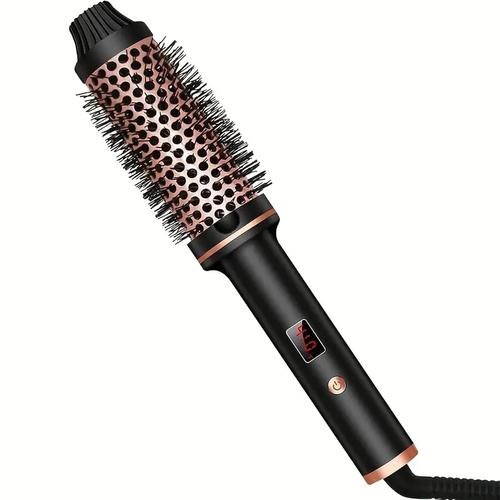
Hot Air Rotating Hair Brush Ultimate Guide 2024: How to Choose the Best Styling Tool_15
Introduction: The Rising Demand for Hot Air Rotating Hair Brushes
The global haircare tools market is projected to reach $36.5 billion by 2027 (Statista), with hot air brushes emerging as the fastest-growing segment. Modern consumers want salon-quality results without the time-consuming blowout process. This comprehensive guide will help you navigate the crowded market of hot air rotating hair brushes, understand key technical specifications, and make informed purchasing decisions.
Buyer's Guide: Choosing Your Perfect Hot Air Brush
Hot Air Brush vs Traditional Alternatives
| Feature | Hot Air Brush | Regular Hair Dryer | Flat Iron |
|---|---|---|---|
| Styling Time | 15-20 minutes | 30+ minutes | 10 minutes |
| Heat Damage | Low | Medium | High |
| Volume Creation | Excellent | Good | Poor |
7 Must-Check Features for Professional Results
- Ceramic or tourmaline heating elements
- Ionic technology for frizz reduction
- Adjustable temperature (up to 390°F)
- Multiple speed settings
- Rotating barrel mechanism
- Cool shot button
- Ergonomic handle design
Technical Deep Dive: How Hot Air Brushes Work
The advanced airflow system distributes heat evenly through micro-perforations in the barrel. Most premium models feature:
- Dual voltage (110-240V) for international travel
- Overheat protection
- Replaceable bristle heads
Industry Trends and Regional Preferences
European markets favor compact designs (max 1.5" barrel diameter), while US consumers prefer multi-functional 3-in-1 tools. The latest EU regulations require all heating tools to meet ERP Lot 27 energy efficiency standards.
FAQ Section
Can I use this brush on wet hair?
Most models are designed for damp hair (80% dry). Always check manufacturer guidelines.
What certifications should I look for?
Essential certifications include ETL, CE, and RoHS compliance for international shipping.