Home Use Skin Machine Ultimate Guide 2024: How to Choose the Best At-Home Skincare Device_4
The Rising Demand for Home Skin Care Technology
The global at-home beauty device market is projected to reach $12.5 billion by 2027 (Statista 2023), with home use skin machines leading this growth. As consumers seek professional-grade results without salon visits, these devices bridge the gap between clinic treatments and daily skincare routines. This comprehensive guide examines how to navigate the crowded market of home skin machines, compare technologies, and make informed purchasing decisions.
Key Pain Points Addressed
- Overwhelming product variations (RF, LED, ultrasonic)
- Safety concerns with unregulated devices
- Confusion about clinical efficacy claims
- Maintenance and hygiene requirements
Home Use Skin Machine Buying Guide
| Feature | RF Devices | LED Masks | Microcurrent |
|---|---|---|---|
| Best For | Collagen production | Acne/redness | Facial toning |
| Treatment Time | 15-30 min | 10-20 min | 5-15 min |
| Results Timeline | 6-8 weeks | 4-6 weeks | Immediate |
7 Must-Check Features for Portable Facial Machines
- FDA clearance or CE certification
- Adjustable intensity levels
- Medical-grade materials
- Clinical study references
- Waterproof rating (IPX4+)
- Replaceable treatment heads
- 2-year minimum warranty
Technology Deep Dive
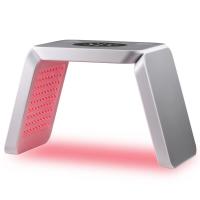
Modern home skin machines utilize three core technologies:
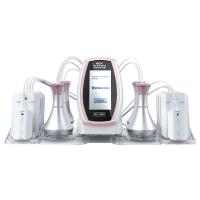
Radio Frequency (RF) Systems
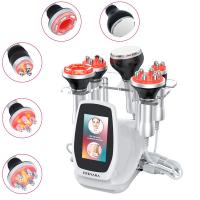
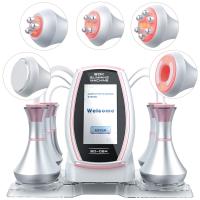
Penetrates 2-3mm into dermis to stimulate collagen. Optimal frequency range: 0.5-1MHz. Look for temperature control sensors to prevent burns.
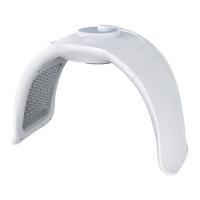
LED Light Therapy
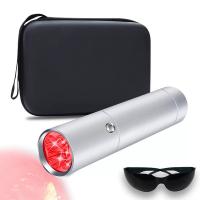
Red (630nm) for anti-aging, Blue (415nm) for acne. Requires consistent use 3-5x weekly. FDA-cleared devices deliver 40-60mW/cm² irradiance.
Industry Trends
North America dominates market share (38%) while APAC shows fastest growth (11.2% CAGR). New EU regulations will require stricter clinical validation for anti-aging claims by Q3 2024.
FAQ
Can home devices replace professional treatments?
For maintenance between clinic visits - yes. For severe concerns, combine with professional care.
What certifications matter?
FDA Class II, CE, ISO 13485. Avoid devices without recognizable certification marks.
Import considerations?
Check voltage compatibility (110V/220V) and customs codes (8516.79.0080 for US imports).