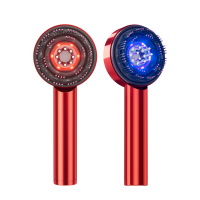
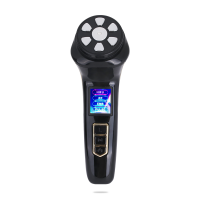
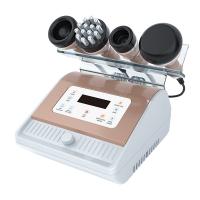
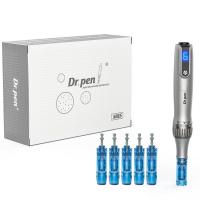
Handheld Head Massager Ultimate Guide 2024: How to Choose the Best Relaxation Tool_81
The Growing Demand for Handheld Head Massagers
The global massage equipment market is projected to reach $15.6 billion by 2027, with handheld devices accounting for 32% of sales (Grand View Research). Modern lifestyles have created unprecedented demand for convenient relaxation solutions, particularly for office workers experiencing chronic tension headaches.
Why Handheld Head Massagers Matter
Unlike traditional massage methods, handheld head massagers offer three unique advantages: portability for office use, precise pressure control, and cost-effectiveness compared to spa treatments. This guide will help you navigate the crowded market by examining key features, comparing technologies, and identifying 2024's top performers.
Handheld Head Massager Buying Guide
| Feature | Electric Massagers | Manual Massagers |
|---|---|---|
| Power Source | Rechargeable battery | Hand-operated |
| Intensity Levels | 3-8 settings | User-controlled |
| Noise Level | 30-50 dB | Silent |
7 Must-Check Features for Tension Relief
- Ergonomic handle design
- Medical-grade silicone nodes
- Adjustable speed settings
- Waterproof construction
- FDA-cleared vibration technology
- Travel lock function
- 2-year warranty minimum
Technical Deep Dive
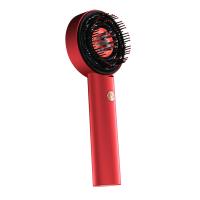
Modern electric scalp massagers operate at 3,000-4,200 RPM, with premium models featuring brushless motors for quieter operation. The diagram below shows how multi-directional nodes stimulate scalp circulation:
Manufacturing Standards
Reputable manufacturers comply with IEC 60335-1 safety standards and use phthalate-free materials. Look for CE/RoHS markings when sourcing from Asian suppliers.
Industry Trends
North America dominates 41% of the market (Statista 2023), with growing demand for FDA-cleared devices. The EU now requires ERP-compliant motors, while Southeast Asian markets prefer sub-$30 models.
FAQ
Can I use this during flights?
Most battery-operated models under 100Wh comply with FAA regulations. Check for airline-approved symbols.
What certifications matter?
Prioritize FDA-cleared, CE-marked devices for commercial distribution in Western markets.
Import considerations
Classified under HS Code 9019.10, typical duties range 3-5% for OEM shipments to the US.