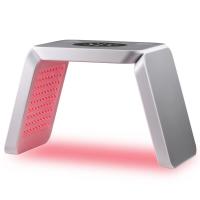
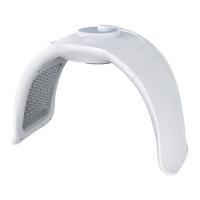
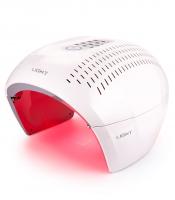
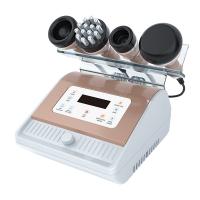
Face Massager Ultimate Guide 2024: How to Choose the Best Facial Beauty Device_88
The Complete Guide to Face Massagers: 2024 Edition
The global facial massager market is projected to reach $2.8 billion by 2027, growing at 7.3% CAGR according to Grand View Research. As skincare technology advances, consumers face increasing confusion when choosing between various vibration frequencies, material types, and therapeutic claims. This guide will help you navigate through 7 critical selection factors, understand cutting-edge microcurrent technology, and identify certified manufacturers meeting EU medical device standards.
Face Massager Buying Guide: 6 Must-Check Features
| Feature | Entry-Level | Professional |
|---|---|---|
| Frequency Range | 3,000-5,000 rpm | 8,000-12,000 rpm |
| Material | ABS Plastic | Medical-grade silicone |
7-Point Anti-Aging Face Massager Checklist
- FDA-cleared microcurrent technology
- Adjustable intensity levels (minimum 3 settings)
- Waterproof IPX7 rating
Technical Deep Dive: How Face Massagers Work
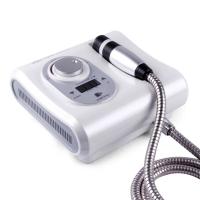
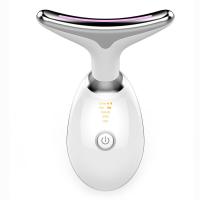
Modern devices combine three technologies: 1) High-frequency vibrations (stimulating collagen at 110Hz), 2) EMS microcurrents (0.3-1mA for muscle toning), and 3) Thermal therapy (38-42°C for product absorption). Leading manufacturers like NuFace and Foreo adhere to ISO 13485 medical device standards.
Industry Trends: Regional Demand Analysis
North America dominates 42% market share (Statista 2023), with growing demand for FDA-cleared devices. The Asia-Pacific market shows 11% YoY growth for portable LED massage tools. New EU regulations require RoHS compliance for all electronic beauty devices by Q3 2024.
Face Massager FAQ
Q: Can I use face massagers after Botox?
A: Wait 72 hours post-injection before using any device generating muscle movement.
Q: What certifications should I check?
A: Look for FDA 510(k), CE Mark, and ISO 13485 for medical-grade devices.