Electric Foot File Ultimate Guide 2024: How to Choose Professional Pedicure Tools_79
The Growing Foot Care Market: Why Electric Foot Files Are Essential
The global foot care products market is projected to reach $3.8 billion by 2027, growing at a CAGR of 5.2% according to recent industry reports. Despite this growth, many consumers struggle with dry, cracked heels and calluses that traditional methods fail to address effectively. This comprehensive guide will help you navigate the world of electric foot files, understand key purchasing considerations, and discover the latest technological advancements in professional foot care equipment.
Electric Foot File Buying Guide: 7 Must-Check Features
When selecting an electric foot file, consider these crucial factors that differentiate professional-grade tools from basic models. Our comparison table reveals how electric foot files outperform traditional pumice stones and manual scrapers in efficiency, safety, and results.
| Feature | Electric Foot File | Manual Alternatives |
|---|---|---|
| Treatment Time | 5-10 minutes | 20-30 minutes |
| Consistency | Even results | Uneven pressure |
| Safety | Built-in protection | Risk of over-filing |
| Hygiene | Removable heads | Porous surfaces |
The 7 essential features to verify include: waterproof rating (IPX7 or higher), multiple speed settings, ergonomic design, professional-grade rollers, easy maintenance, warranty coverage, and certification marks. Brands like Babyfoot and Mehaz have set industry standards by addressing common problems like motor overheating and ineffective filing surfaces.
Technical Specifications: How Electric Foot Files Work
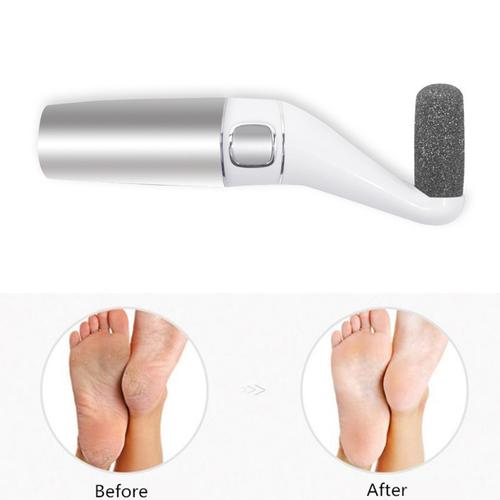
Modern electric foot files operate through micro-oscillating technology that gently removes dead skin without damaging healthy tissue. The optimal grit level for rollers ranges between 100-180 for effective yet safe exfoliation. Understanding how to properly use an electric callus remover involves preparing the skin, selecting appropriate speed settings, and maintaining consistent movement across the foot surface.
Manufacturers must comply with IEC 60335-2-23 safety standards for pedicure appliances, ensuring electrical safety and performance reliability. Reputable manufacturers include CE, RoHS, and FDA certifications for medical-grade devices.
Industry Trends: Regional Demand and Sustainability
North America and Europe account for 68% of global electric foot file sales, while Southeast Asian markets show the fastest growth at 12% annually according to Statista. The increasing focus on home grooming solutions has driven innovation, with 42% of new models featuring smart technology like pressure sensors and automatic shut-off.
Environmental compliance now requires manufacturers to reduce plastic usage by 30% compared to 2020 levels under new EU regulations. Many brands have transitioned to recyclable packaging and energy-efficient manufacturing processes to meet these requirements.
Frequently Asked Questions
Are electric foot files suitable for diabetic users?
Many modern devices are designed with safety features that make them appropriate for diabetic foot care, but consultation with a healthcare professional is recommended before use.
What certifications should I look for?
Seek devices with CE, RoHS, and FDA certifications, which ensure electrical safety, environmental compliance, and medical-grade standards.
How do I handle international shipping?
Most professional electric foot files include universal voltage compatibility (100-240V) and come with necessary documentation for customs clearance, including harmonized system codes for pedicure appliances.
For optimal results, combine your electric foot file with moisturizing treatments and regular maintenance. The future of foot care continues to evolve with innovations in cordless technology, smart connectivity, and personalized treatment options.