Choosing the Best LED Heat Sink Material for Optimal Thermal Management_74
Choosing the Best LED Heat Sink Material for Optimal Thermal Management
Introduction
LED technology has revolutionized lighting solutions, offering energy efficiency and longevity. However, managing heat dissipation is critical to maintaining LED performance and lifespan. This is where LED heat sink materials play a pivotal role. In this article, we will explore the importance of LED heat sink materials, their types, applications, and how to choose the right one for your needs.
What Is LED Heat Sink Material?
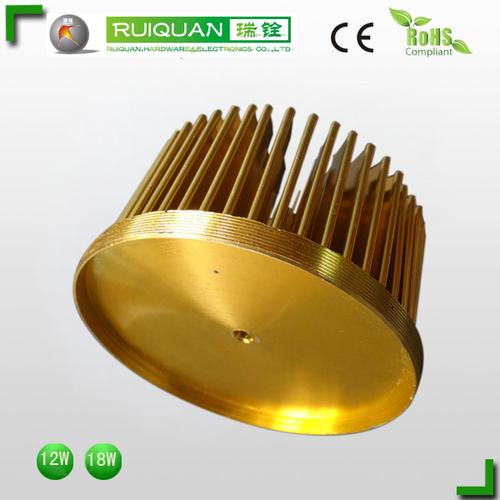
LED heat sink material refers to the substances used to absorb and dissipate heat generated by LEDs. These materials ensure that the LED operates within its optimal temperature range, preventing overheating and potential failure. Common materials include aluminum, copper, and ceramic, each with unique thermal conductivity properties.
Importance of LED Heat Sink Material
Effective thermal management is essential for LED performance. High temperatures can degrade LED components, reducing brightness and lifespan. LED heat sink materials help maintain stable temperatures, ensuring consistent performance and durability. By choosing the right material, you can enhance energy efficiency and reduce maintenance costs.
Types of LED Heat Sink Materials
1. Aluminum: Lightweight and cost-effective, aluminum is widely used for its excellent thermal conductivity and corrosion resistance.
2. Copper: Offers superior thermal conductivity but is heavier and more expensive than aluminum.
3. Ceramic: Provides electrical insulation and good thermal performance, ideal for high-power LEDs.
4. Composite Materials: Combine the benefits of different materials for specialized applications.
Applications of LED Heat Sink Materials
LED heat sink materials are used in various applications, including:
- Residential and commercial lighting
- Automotive lighting
- Industrial and outdoor LED fixtures
- Consumer electronics
How to Choose the Right LED Heat Sink Material
Selecting the appropriate LED heat sink material depends on factors such as thermal requirements, budget, and application environment. Aluminum is ideal for general-purpose use, while copper suits high-performance needs. Ceramic is best for applications requiring electrical insulation.
Industry Trends and Future Developments
The LED heat sink material market is evolving with advancements in composite materials and nanotechnology. Future trends include lightweight designs, improved thermal interfaces, and eco-friendly materials to meet growing demand for sustainable solutions.
FAQs
1. Why is thermal management important for LEDs?
Thermal management prevents overheating, ensuring LED longevity and performance.
2. Which material is best for LED heat sinks?
Aluminum is popular for its balance of cost and performance, while copper offers superior conductivity.
3. Can I use any metal for an LED heat sink?
Not all metals are suitable. Materials must have high thermal conductivity and corrosion resistance.
4. How does heat affect LED lifespan?
Excessive heat reduces LED brightness and can cause premature failure.
5. Are there eco-friendly LED heat sink materials?
Yes, some composites and ceramics are designed with sustainability in mind.
Conclusion
Choosing the right LED heat sink material is crucial for optimal thermal management and LED performance. Whether you need aluminum, copper, or ceramic, understanding your requirements will help you make an informed decision. Explore our range of high-quality LED heat sink materials to find the perfect solution for your needs.