Advanced Ultrasound Scanner Technology: Revolutionizing Medical Diagnostics_35
Advanced Ultrasound Scanner Technology: Revolutionizing Medical Diagnostics
Introduction
Ultrasound scanners have become indispensable tools in modern healthcare, offering non-invasive, real-time imaging for accurate diagnostics. These devices use high-frequency sound waves to create detailed images of internal organs, tissues, and blood flow patterns. As technology advances, ultrasound scanners continue to evolve, providing healthcare professionals with increasingly sophisticated diagnostic capabilities across various medical specialties.
Understanding Ultrasound Scanner Technology
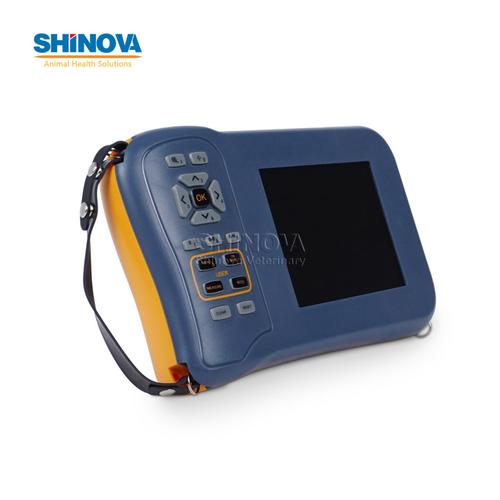
An ultrasound scanner is a medical imaging device that utilizes sound waves beyond human hearing range to visualize internal body structures. The system consists of a transducer probe that emits and receives sound waves, a central processing unit that interprets the signals, and a display monitor. Modern ultrasound scanners offer remarkable image resolution, with some advanced models capable of producing 3D and 4D imaging for enhanced diagnostic accuracy.
Key Benefits of Ultrasound Scanners
Ultrasound scanners provide numerous advantages in medical diagnostics. They are completely radiation-free, making them safe for repeated use, including during pregnancy. The real-time imaging capability allows for dynamic assessment of organ function and blood flow. Portable ultrasound scanners have revolutionized point-of-care diagnostics, enabling immediate assessments in emergency situations, remote locations, and bedside examinations.
Applications in Modern Medicine
Ultrasound scanners find applications across multiple medical specialties. In obstetrics, they monitor fetal development and detect potential complications. Cardiologists use echocardiography to assess heart function, while radiologists employ ultrasound for abdominal, musculoskeletal, and vascular examinations. Emergency medicine relies on ultrasound for rapid trauma assessments, and anesthesiologists use it to guide needle placement during procedures.
Choosing the Right Ultrasound Scanner
When selecting an ultrasound scanner, consider factors such as intended use (general imaging, specialized applications), portability requirements, image resolution needs, and available budget. High-end systems offer advanced features like elastography and contrast-enhanced imaging, while compact models prioritize mobility without sacrificing essential diagnostic capabilities. Our company provides a range of ultrasound scanners to meet diverse clinical needs, from basic diagnostic units to premium systems with cutting-edge technology.
Frequently Asked Questions
Q: How does an ultrasound scanner work?
A: It uses sound waves that bounce off tissues to create images.
Q: Are ultrasound scans safe?
A: Yes, they use sound waves rather than radiation.
Q: What's the difference between 2D and 3D ultrasound?
A: 3D provides volumetric images while 2D shows flat cross-sections.
Q: Can ultrasound detect all medical conditions?
A: While versatile, some conditions require other imaging modalities.
Q: How often should ultrasound equipment be serviced?
A: Annual maintenance is recommended for optimal performance.
Conclusion
Ultrasound scanner technology continues to advance, offering healthcare providers powerful diagnostic tools with numerous clinical applications. Whether you need a basic system for general imaging or a specialized scanner for advanced diagnostics, our company offers reliable, high-quality solutions. Contact us today to find the perfect ultrasound scanner for your medical practice.