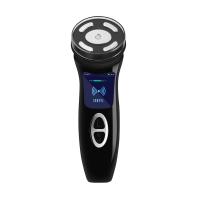
Advanced Ultrasound Scanner Technology: Revolutionizing Medical Diagnostics_11
Advanced Ultrasound Scanner Technology: Revolutionizing Medical Diagnostics
Introduction
Ultrasound scanners have become indispensable tools in modern healthcare, offering non-invasive, real-time imaging capabilities. These advanced medical devices use high-frequency sound waves to create detailed images of internal organs and tissues, enabling accurate diagnoses without radiation exposure. As technology continues to evolve, ultrasound scanners are becoming more sophisticated, portable, and accessible to medical facilities worldwide.
Understanding Ultrasound Scanner Technology
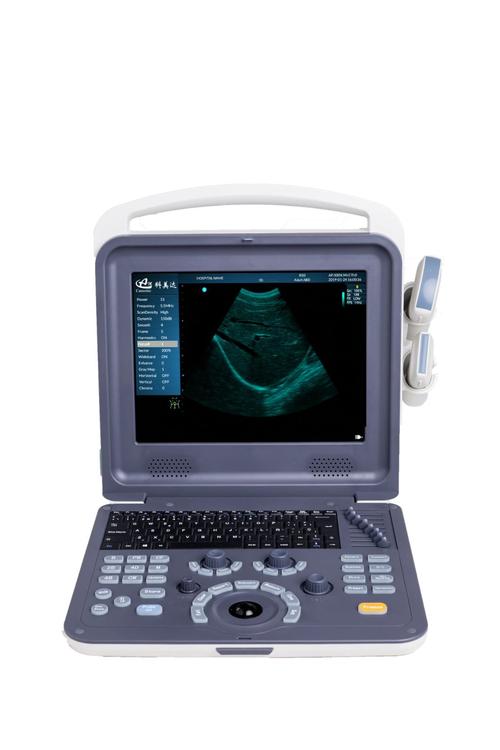
An ultrasound scanner is a medical imaging device that utilizes high-frequency sound waves to visualize internal body structures. The system consists of a transducer probe that emits and receives sound waves, a computer processor that converts these signals into images, and a display monitor. Modern ultrasound scanners offer various imaging modes including 2D, 3D, 4D, and Doppler imaging for blood flow analysis.
Key Benefits of Ultrasound Scanners
Ultrasound scanners provide numerous advantages in medical diagnostics. They are completely non-invasive, radiation-free, and can be used for real-time imaging during procedures. These devices are particularly valuable for monitoring pregnancies, diagnosing abdominal conditions, examining the heart (echocardiography), and guiding biopsies. The portability of many modern ultrasound machines allows for bedside examinations in emergency situations.
Types of Ultrasound Scanners
The medical equipment market offers several types of ultrasound scanners to meet different clinical needs. Portable ultrasound machines are ideal for point-of-care diagnostics, while cart-based systems provide advanced features for comprehensive examinations. Specialized scanners include obstetric ultrasound for pregnancy monitoring, vascular ultrasound for blood flow analysis, and musculoskeletal ultrasound for joint and tendon evaluation.
Choosing the Right Ultrasound Scanner
When selecting an ultrasound scanner, medical professionals should consider several factors. Image resolution and transducer frequency range are critical for diagnostic accuracy. The number and types of probes available determine the scanner's versatility. Other important features include measurement capabilities, storage options, and compatibility with hospital information systems. Budget and intended application should guide the purchasing decision.
Industry Trends and Future Developments
The ultrasound scanner market is experiencing rapid technological advancements. Artificial intelligence is being integrated to assist with image interpretation and measurements. Wireless and handheld ultrasound devices are gaining popularity for their convenience. Future developments may include enhanced tissue characterization, improved 3D/4D imaging, and more compact designs without compromising performance.
Connecting to Our Products
Our company specializes in providing high-quality ultrasound scanners for medical facilities worldwide. We offer a range of models from basic diagnostic units to advanced systems with cutting-edge features. All our ultrasound machines undergo rigorous quality testing to ensure reliability and performance. Contact our sales team to find the perfect ultrasound solution for your healthcare facility.
Frequently Asked Questions
Q: How often should an ultrasound scanner be serviced?
A: Annual maintenance is recommended, with more frequent checks for heavily used equipment.
Q: What's the difference between 2D and 3D ultrasound?
A: 2D provides flat cross-sectional images, while 3D creates volumetric reconstructions.
Q: Can ultrasound scanners be used for therapeutic purposes?
A: Some specialized ultrasound devices are used for physiotherapy and targeted drug delivery.
Q: How long does an ultrasound scanner typically last?
A: With proper maintenance, 7-10 years is common for quality systems.
Q: Are portable ultrasound scanners as accurate as larger units?
A: Modern portable models offer comparable image quality for many applications.
Conclusion
Ultrasound scanners continue to transform medical diagnostics with their versatility, safety, and advancing technology. As healthcare facilities worldwide upgrade their imaging capabilities, choosing the right ultrasound equipment becomes increasingly important. Explore our range of ultrasound solutions to find the perfect match for your diagnostic needs.