Advanced Ultrasound Equipment: Revolutionizing Medical Diagnostics and Treatment_72
Advanced Ultrasound Equipment: Revolutionizing Medical Diagnostics and Treatment
Introduction
Ultrasound equipment has become an indispensable tool in modern healthcare, offering non-invasive, real-time imaging capabilities that have revolutionized medical diagnostics. From obstetrics to cardiology, ultrasound technology provides clinicians with valuable insights into the human body without exposing patients to harmful radiation. This article explores the latest advancements in ultrasound equipment, its diverse applications, and key considerations when selecting the right system for your medical practice.
Understanding Ultrasound Equipment
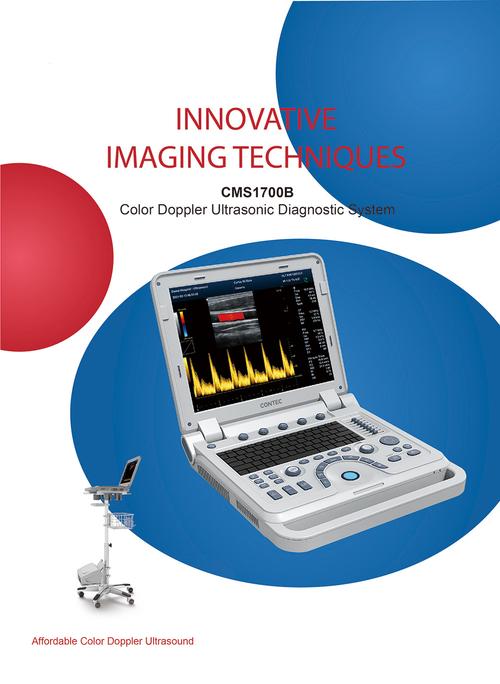
Ultrasound equipment utilizes high-frequency sound waves to create detailed images of internal body structures. Modern systems consist of several key components including transducers, processing units, and display monitors. The technology works by emitting sound waves that bounce off tissues and organs, with the returning echoes being converted into visual images. Today's ultrasound machines offer remarkable resolution and advanced features like 3D/4D imaging, Doppler capabilities, and AI-assisted diagnostics.
Benefits of Modern Ultrasound Systems
The advantages of contemporary ultrasound equipment are numerous. These systems provide immediate results without radiation exposure, making them safe for frequent use. They're portable, allowing for bedside examinations in emergency situations. Advanced ultrasound equipment enhances diagnostic accuracy, enables guided procedures, and improves patient outcomes. Many modern systems also feature ergonomic designs to reduce operator fatigue during prolonged examinations.
Applications Across Medical Specialties
Ultrasound equipment serves diverse medical fields. In obstetrics, it monitors fetal development and detects potential complications. Cardiologists use echocardiography to assess heart function. Emergency physicians rely on point-of-care ultrasound for rapid diagnosis. Other applications include abdominal imaging, musculoskeletal examinations, vascular studies, and even therapeutic procedures like lithotripsy. The versatility of ultrasound technology continues to expand with ongoing innovations.
Choosing the Right Ultrasound Equipment
Selecting appropriate ultrasound equipment requires careful consideration of several factors. Determine your primary applications to identify needed features and transducer types. Consider image quality requirements, system portability, and budget constraints. Evaluate software capabilities, including measurement tools and reporting functions. For specialized practices, look for dedicated presets and advanced imaging modes. Our company offers a range of high-quality ultrasound systems tailored to various clinical needs.
Industry Trends and Future Developments
The ultrasound equipment market is experiencing rapid technological advancements. Current trends include miniaturization of systems, improved AI integration for automated measurements, and enhanced connectivity for telemedicine applications. Future developments may bring even higher resolution imaging, more sophisticated tissue characterization, and expanded therapeutic uses. These innovations promise to further improve diagnostic capabilities and patient care.
Frequently Asked Questions
Q: How often should ultrasound equipment be serviced?
A: Annual maintenance is recommended, with more frequent checks for heavily used systems.
Q: What's the difference between portable and cart-based ultrasound machines?
A: Portable units offer mobility but may have fewer features than larger cart-based systems.
Q: Can ultrasound equipment be used for therapeutic purposes?
A: Yes, certain systems are designed for treatments like physical therapy and tumor ablation.
Q: How long does ultrasound equipment typically last?
A: With proper maintenance, most systems function well for 7-10 years.
Q: What training is required to operate ultrasound equipment?
A: Operators need specialized training, with requirements varying by country and medical specialty.
Conclusion
Ultrasound equipment remains at the forefront of medical imaging technology, offering safe, versatile, and increasingly sophisticated diagnostic capabilities. As the technology continues to evolve, healthcare providers must stay informed about the latest advancements to make optimal equipment choices. Contact us today to learn more about our premium ultrasound solutions and how they can benefit your practice.